
HomeCatalina Narváez – Featured Contemporary Artist in Quito
Step into the creative world of Quito through the hands of a local artist. With Catalina Narváez, art becomes more than something you observe — it becomes something you create.
ENJOY TRAVELS WITH ARTISTSMeet Catalina Narvaez
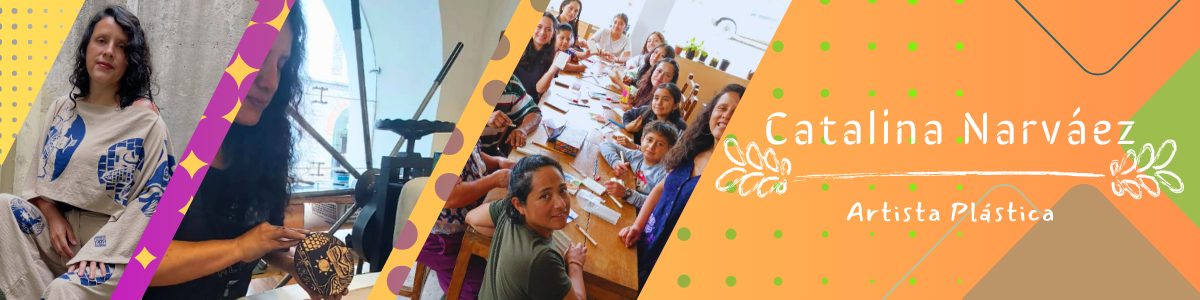
Catalina Narváez Escobar is a visual artist and art educator based in Quito, Ecuador. Her work connects contemporary art, environmental awareness, and community-based learning. For over a decade, she has developed artistic experiences that invite participants to engage deeply with territory, memory, and collective creation.
She holds a Fine Arts degree from the Central University of Ecuador and a postgraduate diploma in Latin American Art Studies and is part of Collaborative Network of Latin American Contemporary Art. (Red colaborativa de Arte Contemporaneo Latinoamericano)
Alongside her studio practice, she has worked as a teacher and curriculum designer in schools, cultural institutions, and environmental organizations, facilitating creative processes for diverse audiences.
Through art, Catalina seeks to build bridges between cultures, people, and nature, transforming creative practice into an experience of connection and discovery.
TAKE HOME A PIECE OF ECUADOR, CRAFTED BY YOUCreate withCatalina
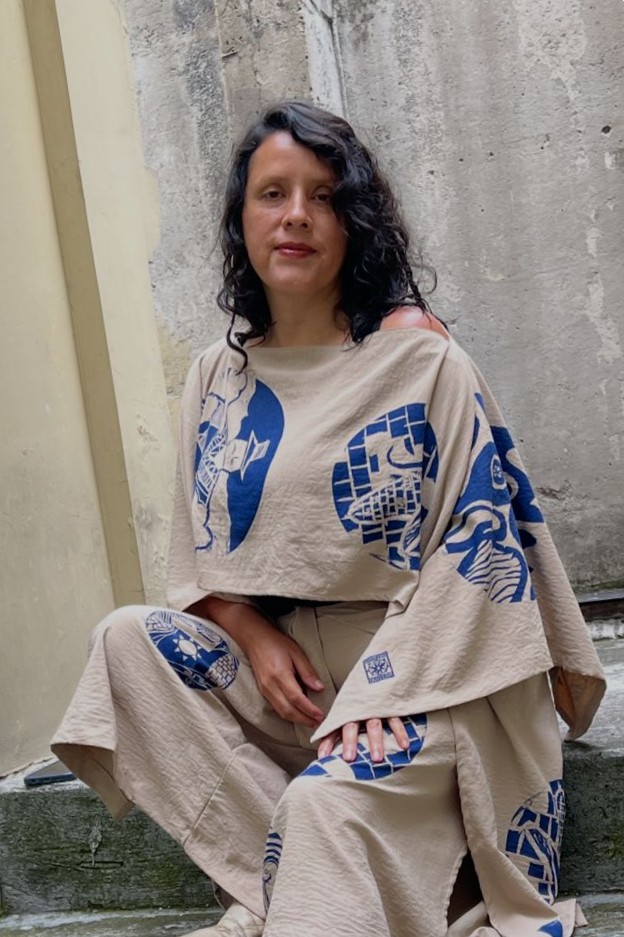
Join Catalina in her nomadic studio and experience a hands-on workshop exploring Ecuadorian materials, techniques, and your own creative expression.
RECCONECT WITH NATURE THROUGH ART, OBSERVATION AND CREATIONJourney into the Microverse
Step into a slower rhythm and discover the beauty hidden in the smallest details. This unique experience invites you to explore the “microverse” — the tiny worlds of textures, insects, leaves, and natural patterns that often go unnoticed.
1. Reconnect with Nature
Begin with a mindful introduction to the concept of the microverse — a way of seeing nature up close, with curiosity and intention.

2. Observe & Discover
Take a short walk or moment of exploration to find something that captures your attention — a leaf, an insect, a texture, or a natural form that speaks to you.

3. Carve Your Design
Transform your observation into art by carving your design into a bar of natural soap. This becomes your personal stamp — a creative interpretation of what you discovered.

4. Print Your Creation
Use your carved soap to print onto fabric — a tote bag, t-shirt, or art piece — creating a unique and meaningful souvenir.

5. Take It With You
Your creation is not just decorative — it’s functional and sustainable. A piece of art you can use, wear, or display, carrying your experience with you.

SIGN UP TO THIS ART EXPERIENCE!
About the Experience
Journey to the Microverse is an immersive experience that blends art, environmental exploration, and elements of citizen science. Its purpose is to strengthen our connection with nature by encouraging a deeper, more mindful way of observing the world around us.
Through guided exploration, participants discover the hidden beauty of microscopic ecosystems—textures, patterns, and small life forms that often go unnoticed. These observations are then transformed into artistic expression, turning nature into a medium for creativity, communication, and awareness.
By combining hands-on techniques with a respect for natural materials, the experience invites participants to slow down, observe, and create with intention.
Social Impact & Previous Work
This project is also rooted in community engagement and social impact. Over the years, similar workshops have been developed with diverse groups, using art as a tool for empowerment, expression, and healing.
Workshops with Women’s Groups
We have facilitated creative workshops with women in vulnerable situations, including survivors of violence and human trafficking. These sessions focused on:
- Providing practical artistic and graphic skills
- Encouraging self-expression and storytelling
- Supporting emotional recovery and self-confidence
- Creating opportunities for entrepreneurship and economic independence
Through these experiences, art becomes more than a creative outlet—it becomes a pathway to rebuilding confidence, strengthening community, and opening new possibilities.
Company
EcuaTouring is a women-led travel company dedicated to crafting meaningful experiences across Ecuador. Whether through our carefully designed tours or fully customized itineraries, we work closely with you to create a journey that is personal, authentic, and unforgettable.
Purpose
At EcuaTouring, travel goes beyond exploration. We proudly dedicate 5% of every tour booked to our Tours for Tails initiative, supporting animal welfare projects in Ecuador, including feeding, rescue, and sterilization programs in rural communities. When you travel with us, you’re not only discovering Ecuador — you’re helping create meaningful change.
